Navštivte nás na FOR CARAVAN 5.–8. Listopadu 2026 v Brně.
Traversing Belarus Twenty Years Ago

Twenty years ago, Belarus was an almost unknown country for most Czech travelers. Although it is relatively close, it also feels more remote than many exotic destinations. Back then, it was not a country crowded with tourists, modern hotels, or attractions created for visitors. That is why a trip across Belarus in 2006 had a special charm. It was an expedition to a landscape where time seemed to move more slowly.
The first encounter with Belarus took place at the border crossing. The checks were thorough, the officials serious, and the paperwork endless. Passports, visas, vehicle documents, insurance, and customs forms went from hand to hand. No one was in a hurry. One soon realized that patience would be as important on this journey as a full tank of fuel.
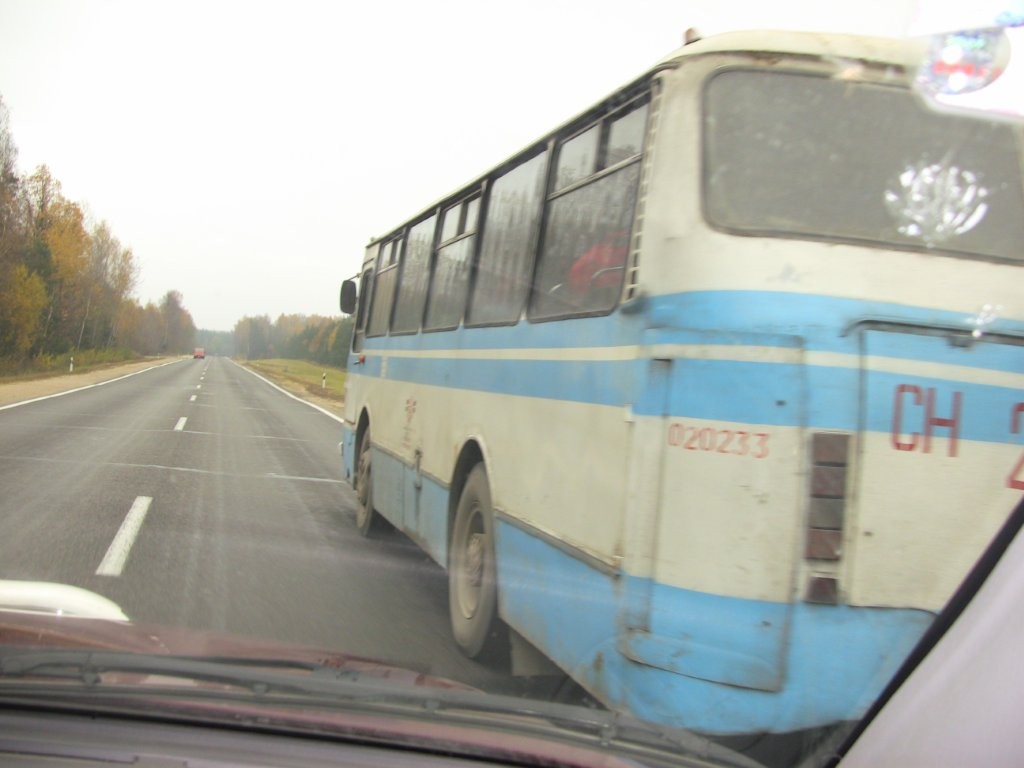
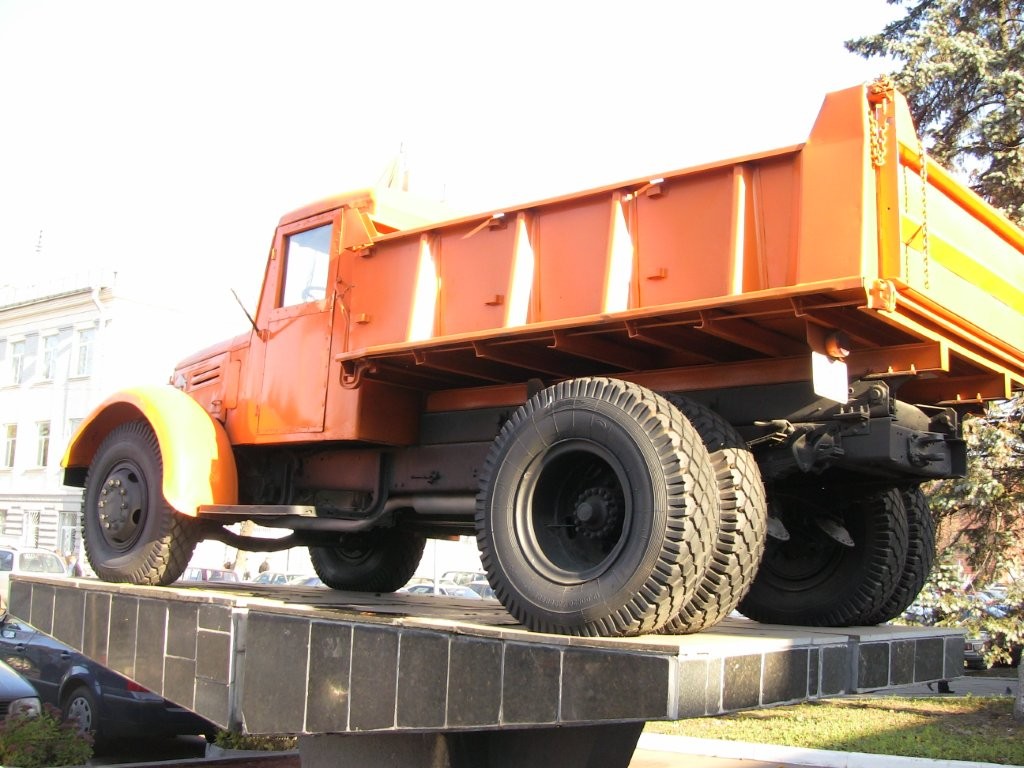
Behind the barrier, a wide road opened up, surrounded by endless forests. The traffic was light, the villages were well-groomed, and the landscape was surprisingly clean. Along the roads stood simple bus stops, sometimes decorated with colorful mosaics, sometimes simply painted blue or green. The roads were lined with old Zhiguli, Moskvich, Lada, MAZ trucks, and tractors, which slowly moved between the fields.
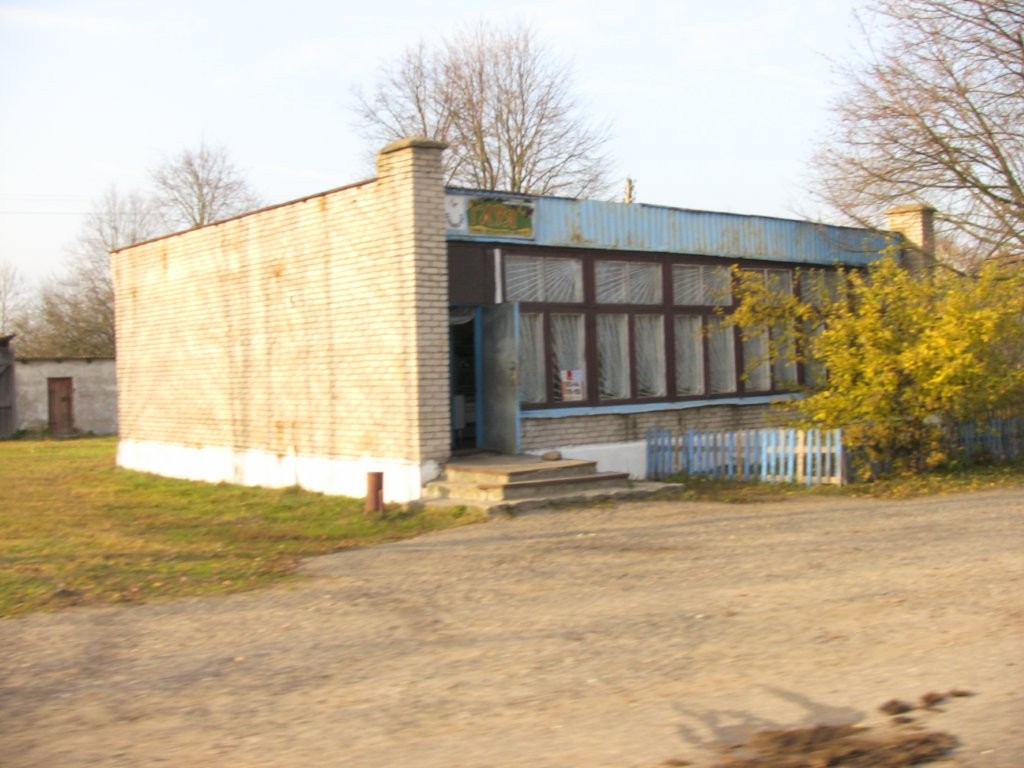
At first glance, Belarus seemed strict and closed. However, it was enough to stop at a small shop or ask for advice and behind the serious faces, a surprising warmth often emerged.
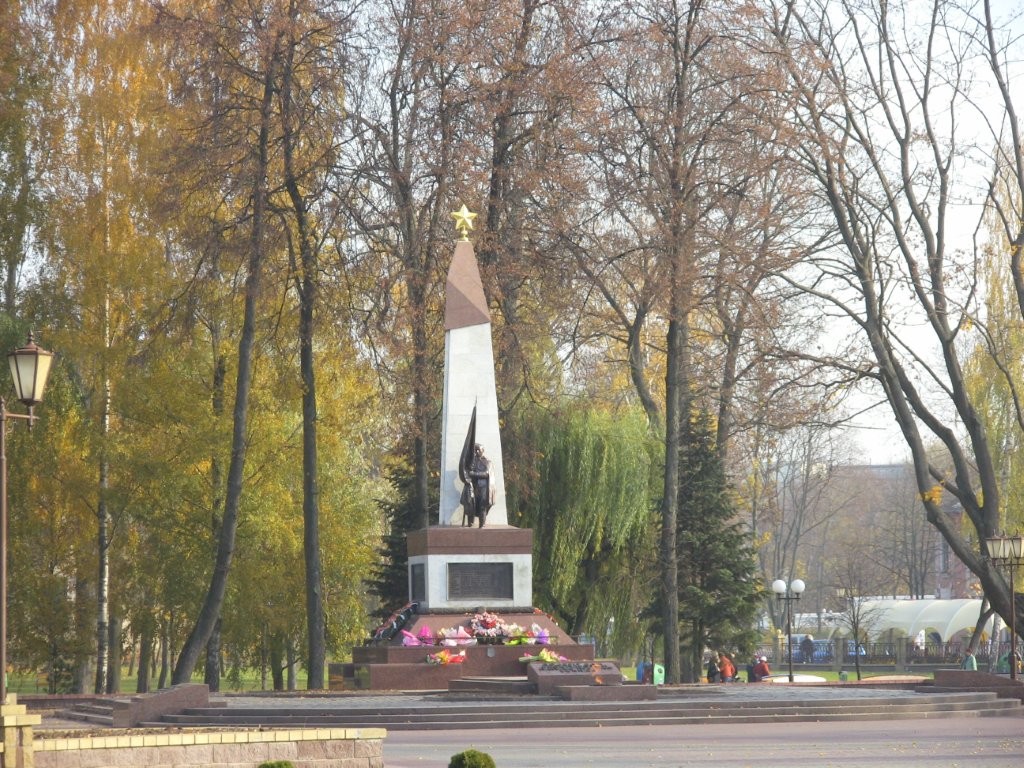
The first major stop was Brest. The city on the western edge of the country was closely associated with the dramatic events of World War II. A monumental monument towered over the fortress, before which one automatically lowered one's voice.
The Brest Fortress did not look like an ordinary museum. The broken walls, bullet holes and massive concrete monuments reminded us of the cruel fighting that had taken place there. In Belarus, the memory of the war was still very much alive. Almost every city and many villages had their own memorial to the fallen.
But beyond the fortress walls, Brest lived a peaceful everyday life. People sat in parks, small queues formed in front of shops, and buses and trolleybuses ran along the wide streets. Western advertisements were still rather the exception, and many shops resembled Czechoslovakian stores from the 1980s.
From Brest, the road led north to the Białowieża Forest, one of the last remnants of Europe's original lowland forest. Beyond the villages began a world of giant oaks, wetlands, and quiet forest paths.
The greatest symbol of the primeval forest is the European bison. It was not easy to see it in the wild, but the mere knowledge that these powerful animals were moving somewhere among the trees gave the place a special atmosphere. The morning fog hung between the trunks, animal tracks could be seen in the wet grass, and birds could be heard above the forest.
Off the main road, one passed through villages made up mostly of wooden houses. The shutters were painted blue, green or white, and flowers grew in front of the houses. Older women sat by the fences, chickens ran around the yards, and buckets of water stood by the wells. This was not an arranged tourist idyll, but ordinary life in the Belarusian countryside.
Grodno was one of the most beautiful cities on the entire trip. Its historic center, churches, and buildings reminiscent of the Polish and Lithuanian past were significantly different from the more modern Minsk. The Old Castle stood above the Neman River, and from elevated places, a view of the peaceful landscape of western Belarus opened up.
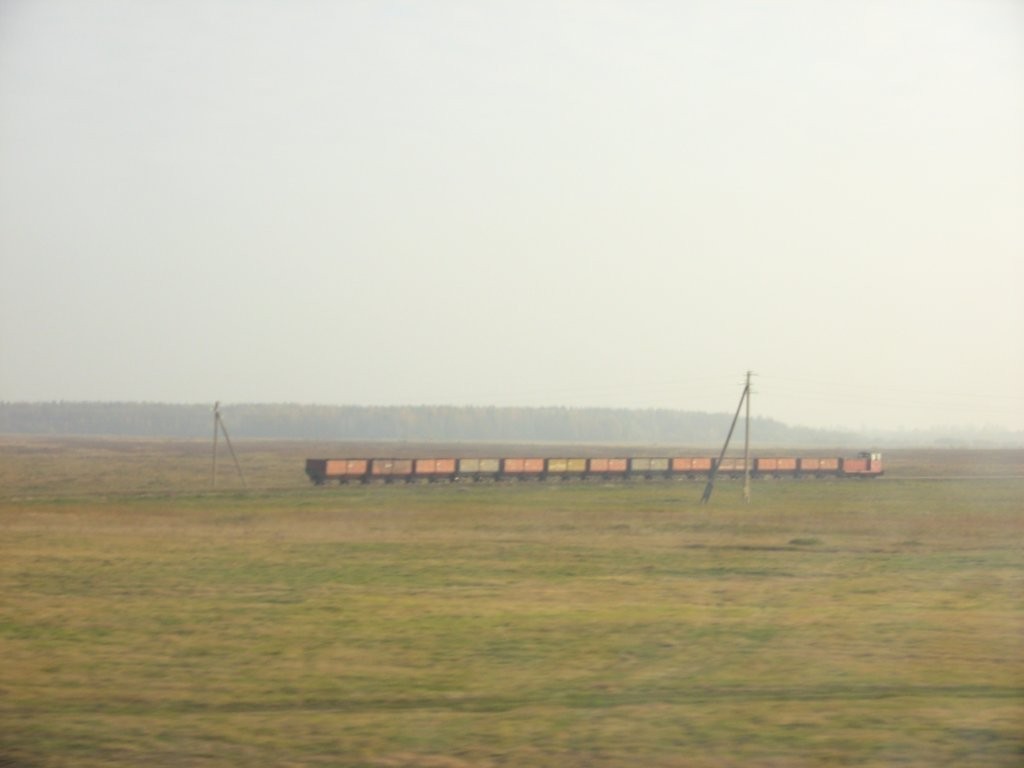
The further north we went, the less traffic there was. The landscape consisted of fields, birch groves, pine forests and small lakes. The roads were often of surprisingly good quality, straight and almost empty. However, on the side roads the asphalt quickly turned into gravel or packed dirt.
Navigation was not a given back then. A paper map lay spread out on the dashboard and the names of towns had to be compared with the Cyrillic letters on the signs. Getting lost was not uncommon. It was often unplanned detours that brought us to the most interesting places.
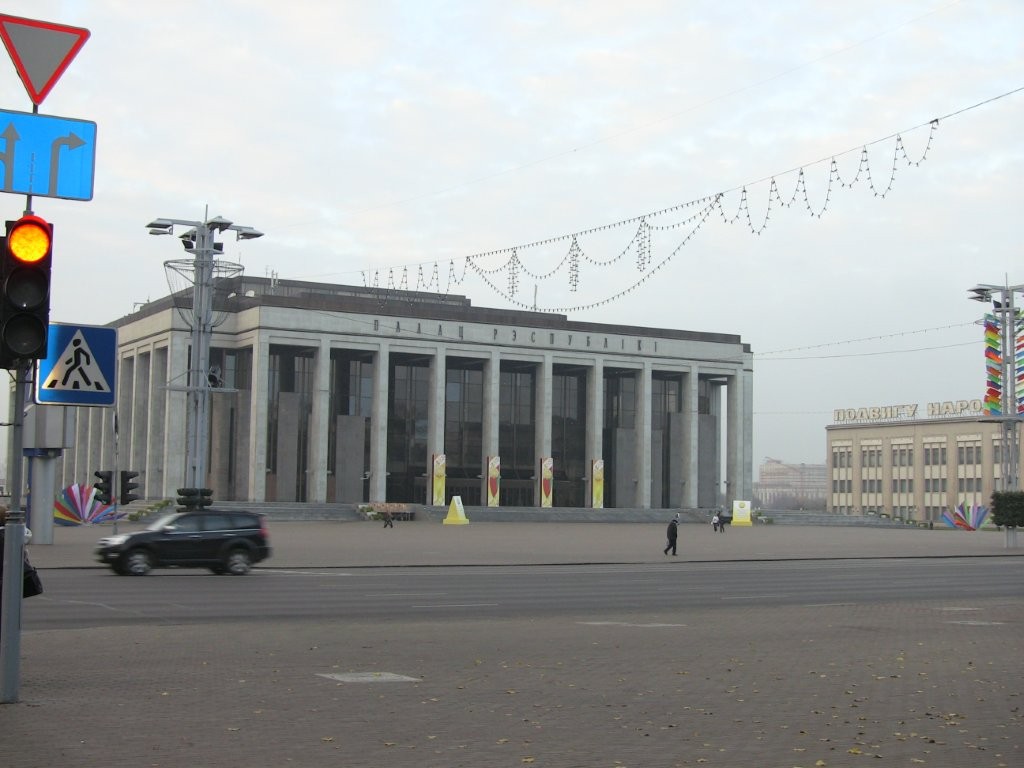
Arriving in Minsk was a surprise. After hundreds of kilometers of rural countryside, a large, clean, and exceptionally well-organized city appeared before us. Wide avenues, monumental buildings, vast squares, and almost perfectly manicured parks gave the impression of a capital built according to a single grand plan.
Minsk was almost destroyed during the war, so its center bore the distinctive signature of post-war Soviet architecture. There was plenty of space everywhere. The squares were huge, the subways were long, and the main streets were so wide that they reminded the Czech driver of an airport apron.
In the evening, the city center was lit up and the city seemed more lively. Young people gathered in parks and cafes, while the older generation preferred traditional restaurant canteens. The menu is simple: borscht, solyanka, pelmeni, draniki, meat, pickled vegetables and, of course, tea. Belarusian cuisine is not flashy, but it was a reliable way to fill up after a long day on the road.
Minsk was also a place of stark contrasts. Alongside the first modern shops, shops with a modest selection of goods still operated. New cars were parked next to Soviet veterans, and a few streets from the representative center, housing estates consisting of long rows of panel houses began.
The next route led through Vitebsk and Polotsk. Vitebsk, the birthplace of painter Marc Chagall, has a more artistic atmosphere than other Belarusian cities. Polotsk, on the other hand, is one of the oldest settlements in the country and was reminiscent of a time when Slavic, Baltic and later Russian influences collided here.
The north of Belarus is a region of lakes. The area around Braslav offers a completely different picture of the country than the plains in the south. The rolling landscape, forests and dozens of bodies of water have an almost Scandinavian feel. At the lakes we met several fishermen, on an old wooden boat, and occasionally a Belarusian family who had come from the city for the weekend.
A light haze hung over the water in the evening. The forest smelled of resin and smoke from fires. At times like these, it was easy to forget that we were in a country that most people only knew from political news.
The road through Mohylev towards Gomel showed a more industrial face of the country. On the outskirts of the cities stand large factory complexes, warehouses and long rows of panel houses. Above the entrances to some villages, Soviet symbols, monuments and slogans celebrating work, the army or victory in the war remained.
Public space is exceptionally clean and well-groomed. The grass along the road is always mowed, the curbs are painted, and there is almost no trash to be seen. At the same time, however, one could feel that the state was present practically everywhere. Photographing railway stations, bridges, military facilities, or some official buildings could attract attention. A stranger with a camera was still an unusual sight.
The Gomel region also bore the invisible legacy of the Chernobyl disaster. Parts of southeastern Belarus were heavily affected by radioactive fallout. Maps showed places to avoid, and warning signs stood along some roads. The landscape looked peaceful and innocent – the forests, fields, and abandoned houses did not betray what had happened there twenty years earlier.
In southern Belarus lies Polesie, a vast area of wetlands around the Pripyat River. Roads here lead across endless plains, past river arms, meadows and swampy forests. Some villages seemed almost cut off from the outside world.
For generations, life here has been governed by water and the seasons. People fished, picked mushrooms and berries, and tended small gardens. The markets sold potatoes, cucumbers, homemade honey, dried fish, and jars of pickled mushrooms.
It was in the countryside that the most powerful encounters were created. We sought a common language with the help of a few Russian words, gestures and a map. An invitation to the table often meant tea, bread, salami, pickled vegetables and sometimes a glass of homemade alcohol.
It was not easy to refuse hospitality, and it was almost impossible to leave without food supplies for the next journey.
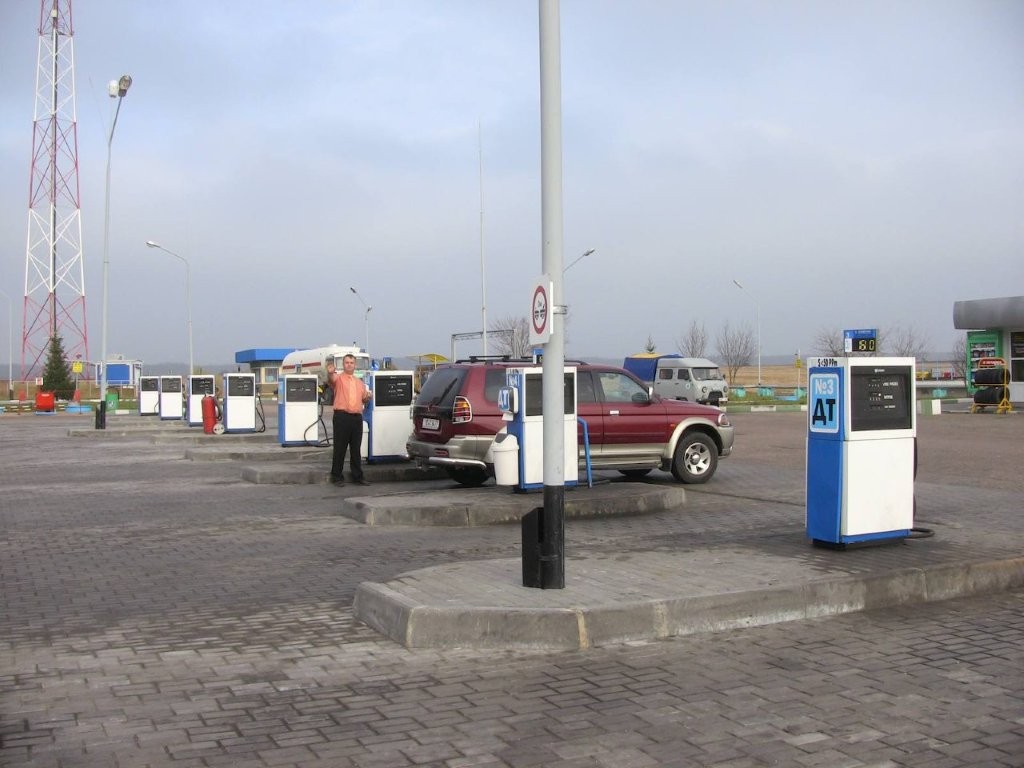
Traveling around Belarus twenty years ago was not a comfortable tourist holiday. It required preparation, patience and respect for local rules. Gas stations did not necessarily accept credit cards, accommodation was sometimes difficult to find, and communication was not easy without knowledge of Russian.
But the reward was the opportunity to see the country before modern technology and global brands began to change it significantly. Back then, Belarus offered empty roads, deep forests, thousands of lakes, wooden villages and cities where the Soviet past was still a part of everyday life.
In the end, the strongest memories were not the monuments or the big cities. It was the silence of the Belarusian forests, the morning fog over the lakes, the straight roads disappearing beyond the horizon, and the people who at first looked distrustful, but after a short conversation were able to open the door of their house and set the table for a completely unknown traveler.
Belarus was not a simple country twenty years ago. However, it was authentic, mysterious and exceptionally strong for travelers. Anyone who traveled through it back then, from the Polish border to the Russian border and from the northern lakes to the swamps of Polesie, took with them the memory of a Europe that almost no longer exists today.




This online store stores cookies that help it function properly. By using our services, you agree to their use.